The Benefits of Responsive Design: Optimizing User Experience Across Devices
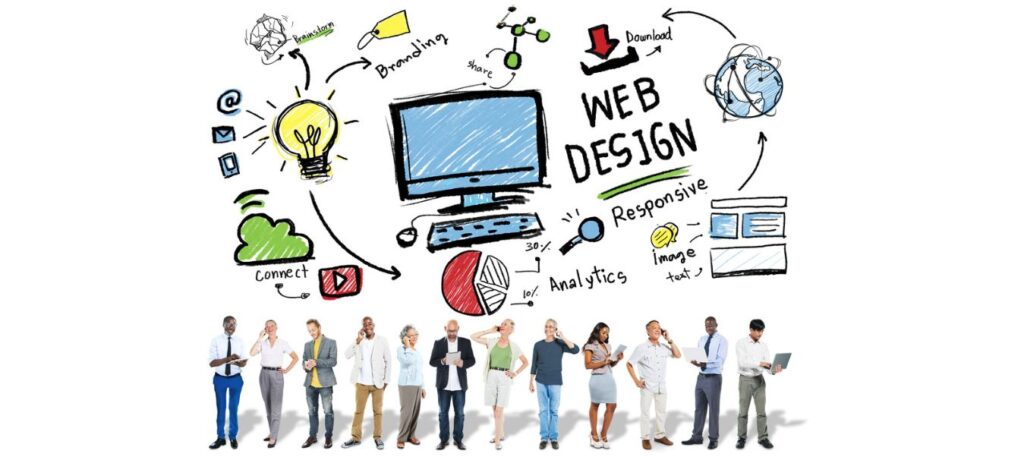
In today’s mobile-centric world, having a responsive design is essential to deliver an optimal user experience across devices. The UX/UI WordPress Web Designer specializes in creating websites that adapt seamlessly to various screen sizes, ensuring that your visitors enjoy a consistent and optimized experience, whether they’re using a desktop, smartphone, or tablet. Responsive design allows your website to automatically adjust its layout, images, and content to fit different screen resolutions, providing a user-friendly and visually appealing experience.
With the increasing use of mobile devices for browsing and online shopping, having a responsive website is critical for capturing and retaining your audience. The focus is on creating fluid and flexible layouts that adapt to different screen orientations and aspect ratios. Touch-friendly elements, such as larger buttons and optimized navigation menus, are prioritized to enhance usability on smaller screens. By providing a seamless and accessible experience, responsive design helps reduce bounce rates, increase engagement, and improve conversion rates.
From a technical perspective, responsive design offers numerous advantages. Rather than maintaining separate desktop and mobile versions of your website, responsive design streamlines your maintenance efforts. With a single codebase, updates and content additions can be implemented more efficiently, saving you time and resources. Additionally, responsive design is favored by search engines, as it improves mobile-friendliness, a crucial factor in search engine rankings. By adopting responsive design, not only is the user experience enhanced, but your website’s visibility and organic traffic from mobile searches are also boosted.